
Daily Care
Daily care and gear: start here
The daily routine does most of the work for gums, teeth and breath, and the right tools make it easier to keep up. These guides cover the technique first, then the gear, without telling you to buy anything you don't need.
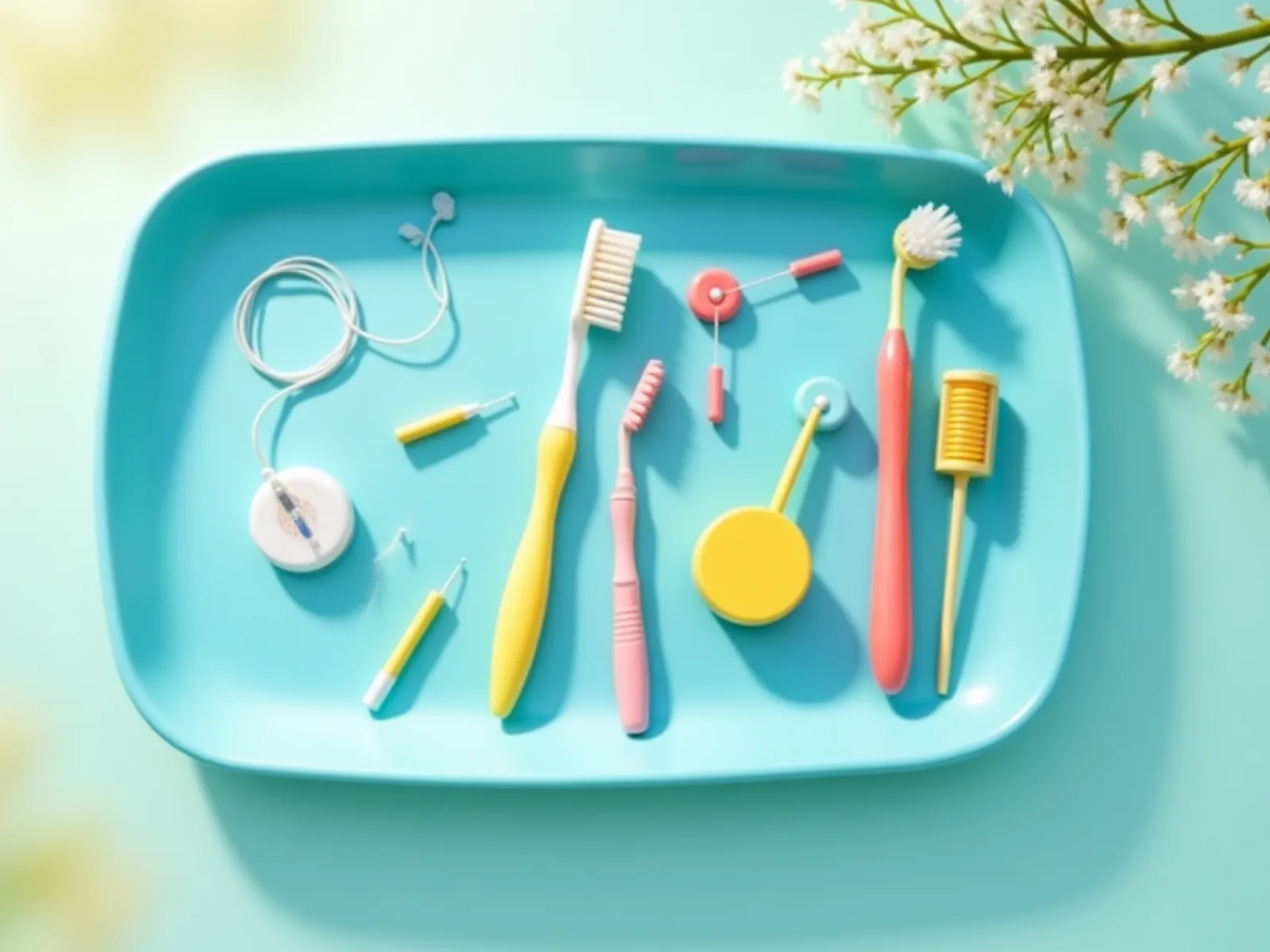
The routine that matters most
Two habits carry most of the weight: brushing twice a day with fluoride toothpaste, and cleaning between your teeth once a day, which is what the American Dental Association recommends. Technique beats gadgets: a manual brush used well for two minutes can clean as well as an electric one used in a hurry. Gear matters when it makes the routine easier to keep, for example interdental brushes for wider gaps, or a water flosser if floss is hard to use around braces or bridges.
If you only do four things this week
- Brush for two full minutes, twice a day, with a soft brush and fluoride toothpaste.
- Clean between your teeth once a day, using whichever tool you will actually use.
- Replace your toothbrush or brush head when the bristles fray.
- Pick tools with the ADA Seal of Acceptance when you can.
Which tool fits you
| Situation | Worth trying | Guide |
|---|---|---|
| Tight contacts between teeth | String floss, waxed if it shreds | How to floss |
| Wider gaps or gum recession | Interdental brushes in the right size | Interdental brushes |
| Braces, bridges or stiff hands | A water flosser, or floss picks | Water flosser vs floss |
| Rushed brushing or limited grip | An electric brush with a timer | Electric vs manual |
Read these in this order
- 1

How to Floss Properly
The C-shape method, step by step, and what to do when gums bleed.
- 2

Electric vs Manual Toothbrush
What the research shows, and how to choose for your mouth.
- 3

How to Use Interdental Brushes
Pick the right size and clean between teeth without hurting your gums.
- 4

Water Flosser vs Floss
Where each one helps, and who does better with which.
When it's more than a routine problem
Some bleeding is normal in the first days of flossing a neglected area. Gums that keep bleeding, hurt, swell, or pull back from the teeth, or a tooth that feels loose, need a dental check rather than a new gadget. A swollen face or jaw needs an urgent appointment.
Wondering whether a supplement could replace any of this? Read what the evidence says.

Not sure where your problem fits?
Start from what you notice: bleeding gums, sensitive teeth, or breath and dry mouth. Each path lists the guides in the order that helps most.